
Gravel Nutrition Guide 2026: Real-World Fuelling Trends For Endurance Riders
Rooster | February 28 2026Top gravel riders are now aiming for 80 to 100 grams of carbohydrate per hour, plus structured hydration and sodium, to stay sharp deep into long, rough events. That level of fuelling needs a clear plan, the right products, and a bit of practice, not guesswork on the start line.
Key Takeaways
| Question | Answer |
|---|---|
| What are the current carb targets for gravel endurance rides? | Most gravel-focused plans now work to 80–100 g of carbs per hour, using a mix of drinks, gels, and solid foods. |
| How much should I drink per hour on gravel? | Guidelines suggest around 500–750 ml fluid per hour in typical conditions, topped up with electrolytes from drink mix or tablets. |
| Do I need sodium as well as water? | Yes, aiming for roughly 400–800 mg sodium per hour is common on gravel events, often from electrolyte powders and salty snacks. |
| What types of fuel work best on rough gravel? | Soft chews, drink mix and easily opened bars are popular, as they are easier to handle on technical sections. |
| How do I plan fuel for long unsupported sections? | Work out your hourly targets first, then build a simple checklist of drinks, gels, and solids per hour from the full nutrition range so you know exactly what to pack. |
| Should I train my gut for higher carb intakes? | Yes, modern gravel fuelling trends focus on gut training, so you can handle higher carb intake with fewer stomach issues. |
1. Why Gravel Needs Its Own Fuelling Strategy
Gravel events combine road-style distances with mountain bike style terrain, so your fuelling has to cover both long hours and repeated hard efforts. You are often far from resupply, dealing with heat, dust, and vibration, which all affect how you eat and drink.
Hourly targets like 80–100 g carbs, 500–750 ml fluid, and 400–800 mg sodium give us a solid starting point, but they only work if you can carry and actually consume that fuel on bumpy tracks.

2. Modern Carbohydrate Targets For Gravel Endurance Rides
Endurance research now supports up to 90 g of carbohydrate per hour in prolonged events, and many pro teams sit nearer 100–125 g per hour on big days. In gravel, that often means using multiple carb sources, such as drink mix plus gels plus bars, so you hit the number without overloading your gut.
Elite examples from major gravel races show intakes around 180–220 g per hour at the very sharp end, which is not a starting point but shows what is possible once the gut is trained and the plan is dialled.

3. Hydration And Electrolytes On Long Gravel Events
Hydration guidance for endurance riding usually sits between 500 and 1,000 ml per hour, adjusted for heat, intensity, and your own sweat rate. On gravel, we also need to think about bottle cage access on rough sections and how much fluid we can actually carry between aid points.
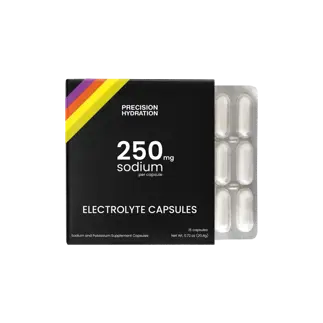
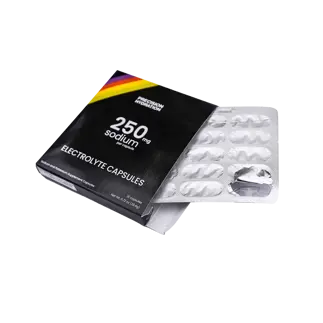
Sodium is just as important as volume, because it helps you hold onto the fluid you drink and reduces the risk of cramp or hyponatraemia. Typical gravel targets of 400–800 mg sodium per hour can come from electrolyte drink mix, powders, capsules, or salty foods, as long as the overall balance in the bottle is sensible.
A concise visual guide to fuelling for gravel endurance rides. It compares five fuelling options: bars, chews, gels, mixes, and powders.
4. Fuel Types: Bars, Chews, Gels, Mix And Powders
Most gravel riders now mix fluid and solid sources to spread the load on their gut and keep taste fatigue at bay. That usually means a simple combination of bars, chews, gels, drink mix, and powders to hit the same core numbers hour after hour.
We stock separate categories for each so you can build a system that matches your riding style and stomach, rather than forcing one product to do everything.
- Bars for slower sections and steady energy.
- Chews and gels for rough or high intensity spells.
- Mix and powders to turn every sip into useful fuel and electrolytes.
5. Planning Your Hourly Gravel Fuelling Strategy
A practical gravel plan often aims for something like 1 x 750 ml bottle with mix, 1 gel, and 1 chew or part of a bar per hour, adjusted for your size and pace. That sort of structure is easier to follow on tired legs than watching numbers on a spreadsheet mid-ride.
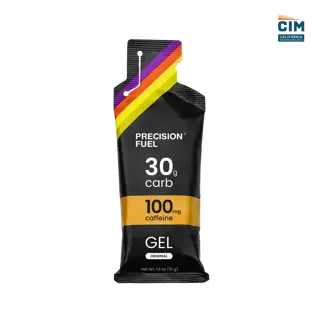
Gels commonly provide around 30 g of carbohydrate and 200 mg of sodium, while drink mix and bars fill the gap to your hourly targets. Once you know what each item offers, you can build a simple table for race day.
| Fuel type | Typical use per hour | Role |
|---|---|---|
| Drink mix | 500–750 ml | Base carbs + sodium + fluid |
| Gel | 1 gel | Fast carbs, easy to swallow |
| Chews or bar | 1 portion | Extra carbs, satiety, taste variety |
6. Bars For Gravel: When Solid Food Works Best
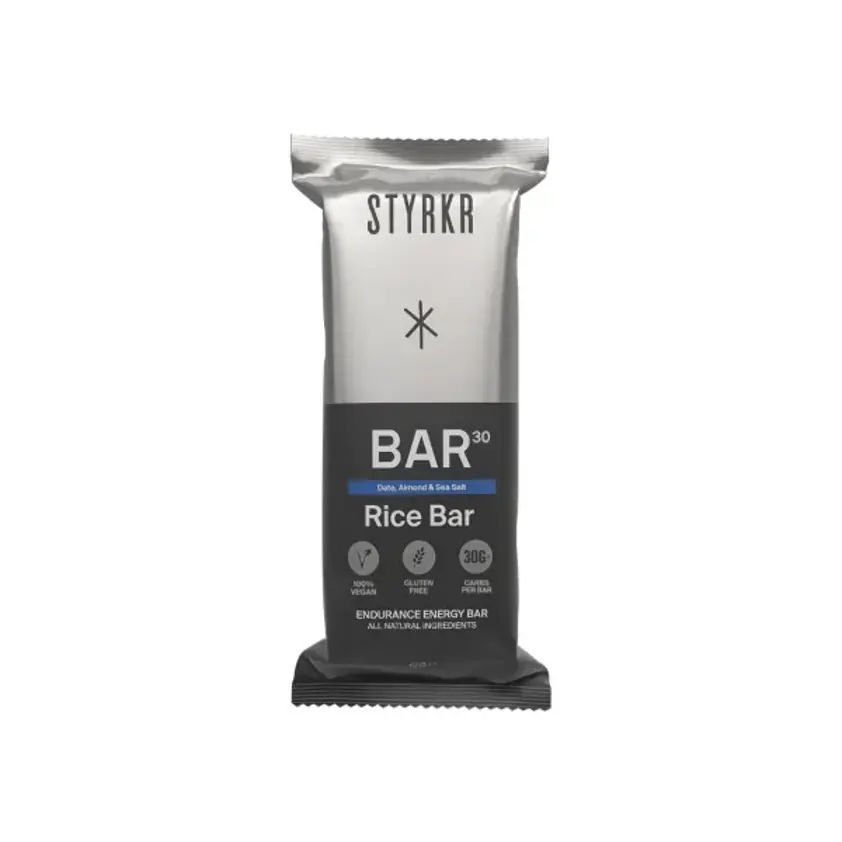
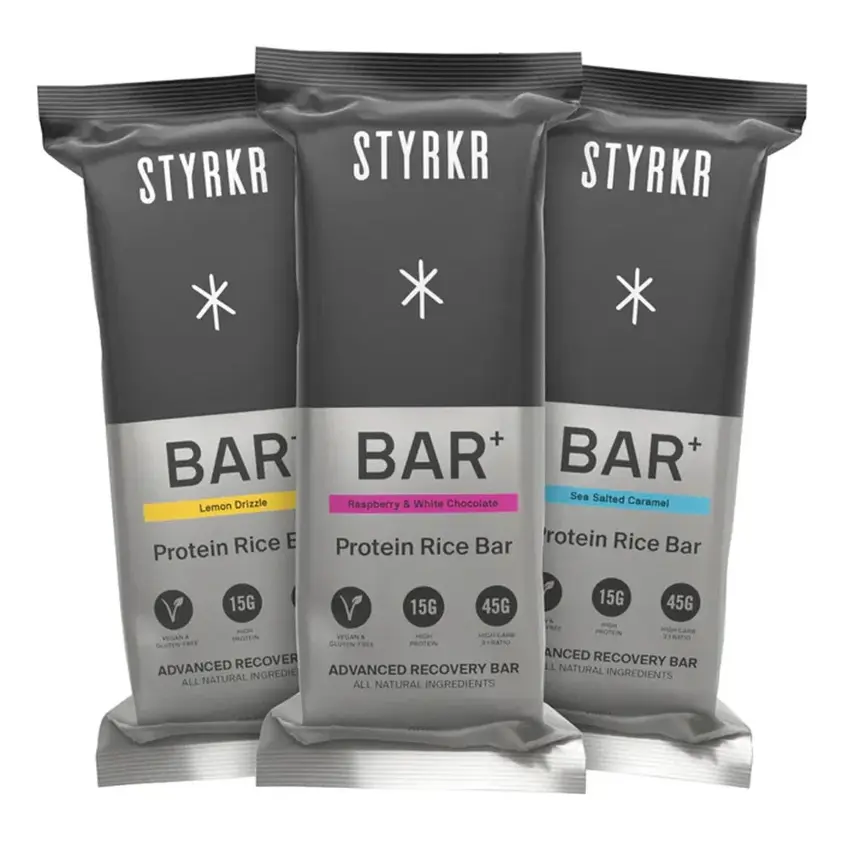
Bars suit cooler conditions, steadier efforts, and smoother sections of track where you can sit up and chew properly. Many riders like something more solid every hour or two, as it keeps hunger at bay and feels more like real food on all day rides.
We group our bar options in the bars section, so you can experiment with textures and flavours until you find what you enjoy deep into a ride.
- Use half a bar every 30 to 40 minutes rather than a full one at once.
- Wash bars down with drink mix or water to help digestion.
- Pick softer bars for colder events so they are still easy to bite.
7. Chews And Gels: Rough Terrain Friendly Fuel
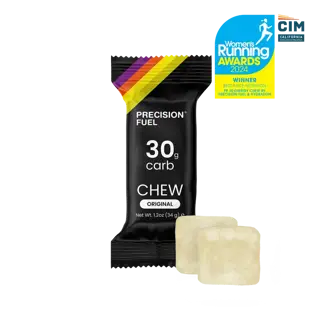
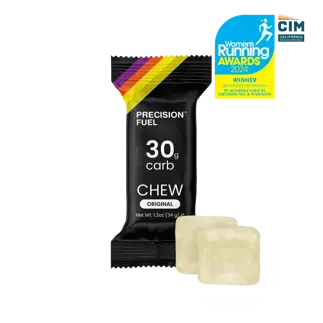
On loose descents or technical singletrack, it is hard to manage bulky food, so many gravel riders lean on chews and gels there. Chews are easy to portion, fit well in top tube bags, and do not create much mess or waste on bumpy ground.
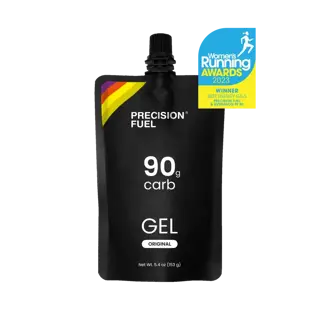
Gels offer very fast energy when you are on the rivet or sprinting out of every corner, especially if you chase them with a few mouthfuls of water or mix. Given a rough guide of 30 g carbs per gel, you can quickly see how they can bridge the gap to your hourly goal.
- Use chews on rougher terrain where wrappers are awkward.
- Keep gels for climbs, attacks, and late race fatigue.
- Practice opening packets one handed in gloves before race day.
8. Drink Mix And Powders: Turning Every Sip Into Fuel
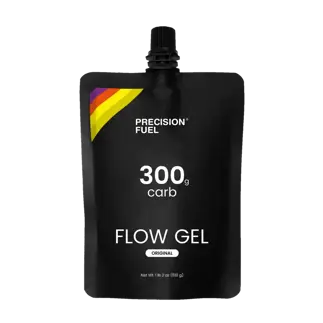
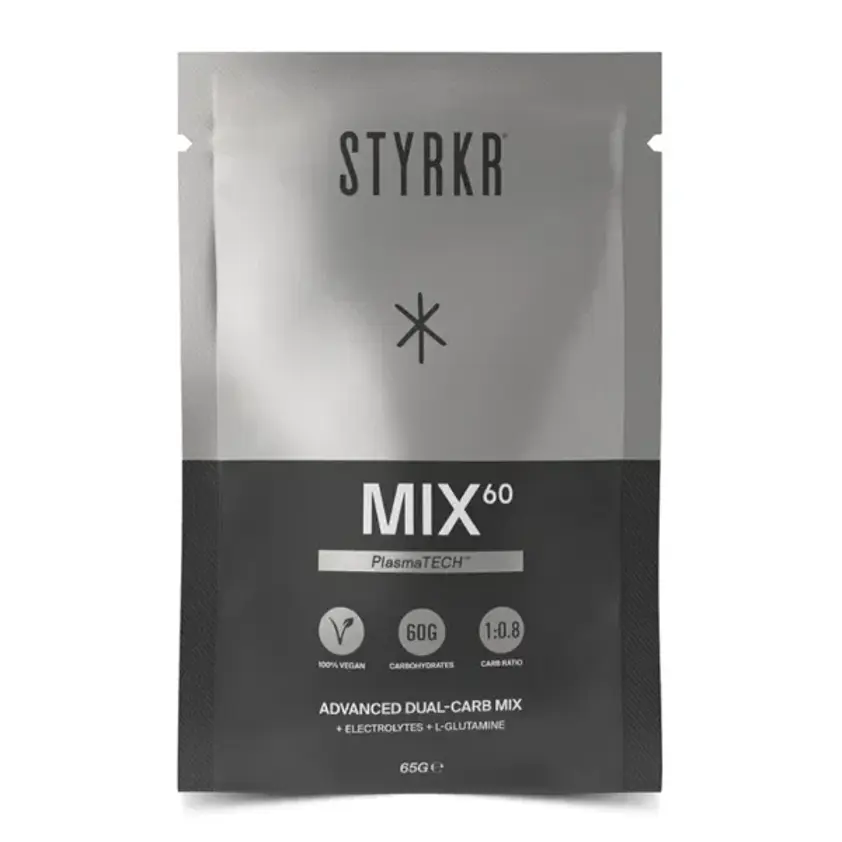
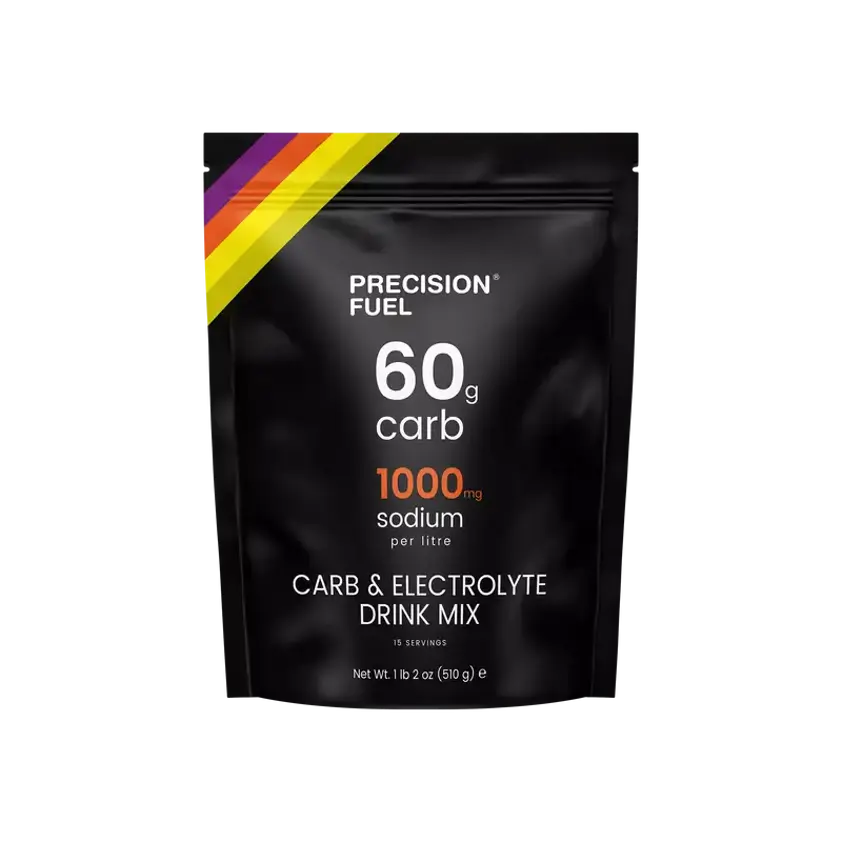
Carbohydrate drink mix and electrolyte powders are a big part of current gravel fuelling trends, because they let you take on energy and sodium without needing to unwrap anything. This is especially useful when you are riding in a group on loose surfaces and your hands are busy.
Modern mix aims to provide a blend of carbs, often glucose and fructose, in a ratio that your gut can handle at higher intakes. You can run stronger bottles when you know water is available on route, or use a slightly lighter mix when you are carrying all your fluid from the start.
- Use marked bottles so you know which have mix and which have plain water.
- Test stronger and weaker concentrations on training rides.
- Pair powder in bottles with plain water in a hydration pack for flexibility.
9. Gut Training: Building Tolerance For Higher Carb Intakes
One of the biggest trends in gravel fuelling is structured gut training, where you gradually increase carb intake in training so your digestion can keep up on race day. Without this, many riders find that anything over about 60 g per hour starts to cause bloating or nausea, especially on hot days.
Case studies from major gravel races show big gaps between guidelines and what riders actually manage to take on. Those who practise race fueling on long training rides tend to cope much better with higher targets and hard efforts late in the day.
We always suggest you rehearse race fuelling at race intensity on familiar routes, so you can adjust products and timing before the big event.
10. Real-World Gravel Race Data: Lessons For Everyday Riders
Detailed race reports show that even experienced riders sometimes under-fuel, taking in as little as 38 g of carbs per hour in long gravel championships. Hydration numbers can also be on the low side, with fluid intakes nearer 350 ml per hour in some cases, well below typical guidelines.
These gaps highlight that the challenge is not knowing the theory, but applying it when conditions are rough and you are focused on staying upright. A simple, repeatable system of drinks, bars, chews, and gels, practised well in advance, is usually more effective than a complex plan you cannot follow on the day.

11. Practical Gravel Fuel Packing And Setup Tips
Good fuelling is not only about what you take, but where you store it on the bike so you can reach it when the track is rough. Most endurance gravel riders now use a mix of top tube bags, frame bags, and bottles, often with a hydration pack for longer, dryer sections.
We suggest you lay everything out by hour on a table the day before, then pack in order so you are simply working through a queue of fuel. That reduces faff at gates and on technical sections, so your focus stays on the ride.
- Keep the current hour's fuel in your jersey or top tube bag.
- Store bulk refills in frame or saddle bags in clear zip bags.
- Mark key cues, such as "gel now", on your top tube with tape or a small card.
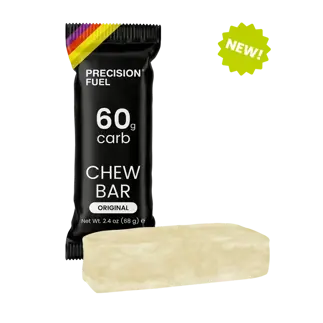
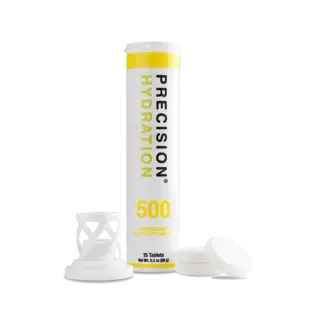
12. How We Can Help You Dial In Your Gravel Fuelling
At Port Velo Cycle Works we work with a lot of endurance and gravel riders, so we see first hand what works on real UK roads, bridleways, and byways. Our job is to help you match products from our gels, chews, bars, mix and powders categories to your goals and stomach.
We are always happy to chat through upcoming events and training plans, so you can test a fuelling strategy before race day. If you would like more tailored guidance alongside bike setup, you can get in touch via our contact page and we will help you put a clear plan together.
Conclusion
Gravel-focused fuelling has moved on quickly, with higher carb targets, smarter hydration, and practical gut training now standard for serious endurance riders. The core idea is simple, hit consistent hourly goals using a mix of bars, chews, gels, drink mix, and powders that you have already tested in training.
We are here to help you turn those numbers into a plan that fits your riding, your routes, and your kit setup. If you want to refine your gravel fuelling for the season ahead, drop by the workshop or explore our dedicated nutrition range and we will help you keep every ride well fuelled from the first lane to the last climb.